Your trusted travel companion for unforgettable journeys and amazing experiences worldwide.
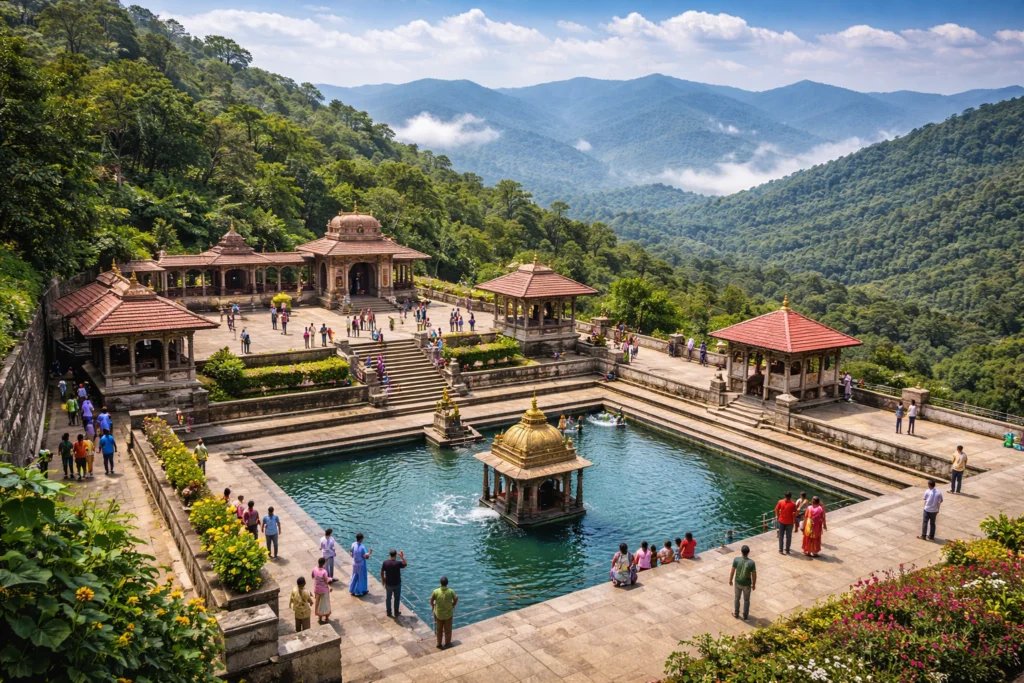
Coorg, also known as Kodagu, is a picturesque hill station nestled in the Western Ghats of Karnataka. Often referred to as the "Scotland of India," it is celebrated for its lush green landscapes, mist-covered hills, and sprawling coffee plantations. The air in Coorg carries the scent of coffee and spices, while its winding roads lead through dense forests, waterfalls, and serene valleys. The region is home to the Kodava people, known for their unique customs and martial traditions. Coorg is not just about scenic beautyit offers a quiet, immersive experience of nature and culture. Whether its a peaceful walk through the plantations, a trek to the peaks of Tadiandamol, or a visit to the sacred Talacauverythe birthplace of the River CauveryCoorg feels both untouched and timeless.
The best time to visit Coorg is from October to March, when the weather is cool and ideal for sightseeing and outdoor activities.
Top attractions include Abbey Falls, Raja's Seat, Dubare Elephant Camp, Talacauvery, Namdroling Monastery, and coffee plantations.
Popular activities include trekking, river rafting, coffee estate tours, nature walks, bird watching, and visiting temples and monasteries.
Coorg does not have its own airport or railway station. The nearest airport is in Mangalore or Kannur, and the nearest railhead is in Mysore. From there, taxis or buses can take you to Coorg.
Coorg offers a range of stays including luxury resorts, budget hotels, homestays, and nature lodges amidst coffee plantations.
No permits are required for Indian or foreign tourists to visit Coorg.
Coorgi cuisine is known for its spicy and flavorful dishes. Must-tries include pandi curry (pork curry), bamboo shoot curry, and akki roti (rice roti).
Carry mosquito repellent, basic medication, and stay hydrated. Wear appropriate footwear for trekking and walking on rough terrain.
Yes, Coorg is considered safe for both solo and family travelers. Standard travel precautions are recommended as always.
The local currency is the Indian Rupee (INR). While cards are accepted in most towns, it's advisable to carry cash in remote areas.
You can hire cabs, self-drive cars, or use local jeeps. Public transport is limited, so private transport is recommended for sightseeing.
Pack light woolens (especially in winter), rain gear (if visiting during monsoon), trekking shoes, insect repellent, and comfortable clothing.